


How do you find a student job in 2026?

Where can I find a student job in 2026?
Today, the majority of student job offers can be found online. Sites like Indeed, StudentJob or Jobaviz (from Crous) specialize in student jobs and offer offers tailored to your schedule.
If you're looking for more flexible assignments, apps like StaffMe or Student Pop are perfect for landing one-off jobs in catering, events or sales.
But don't limit yourself to these tools. Facebook groups like "job étudiant + ta ville" are often very active.You can find local offers there, sometimes posted directly by employers. The CIDJ also recommends going directlyto shops, town halls, schools or your local network to spot these types of opportunities! In 2026, this method still works, especially for local student jobs.
The must-have platforms for students
Indeed: the best-known site, with a large number of student job offers in all sectors.
StudentJob: a platform specializing in student jobs, internships and part-time jobs.
Jobaviz (Crous) : the official platform dedicated to students, with offers often close to campus.
LinkedIn : the useful social network for finding a student job or seasonal employment.
1jeune1solution: a website that brings together student job offers all over France.
Hellowork: the website that makes it easy for you to find student job offers near you.
France.fr/accueil/">France Travail : this platform also offers jobs accessible to students.
Student Pop : an application for one-off assignments, flexible and adapted to your schedule.
Staffmatch : a temping site for finding assignments fast.

How to write a CV without experience?
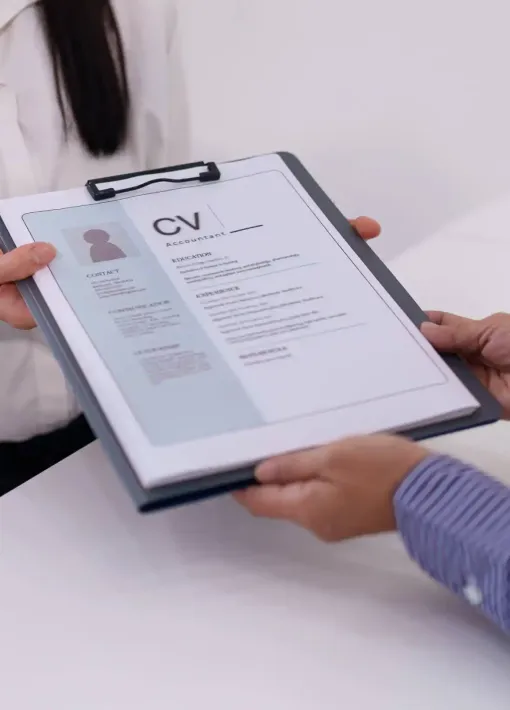
Another question many students ask: how do you make a student CV when you have almost no experience?The answer is simple: you're not just selling "past jobs", you're also selling skills!
France Travail recommends putting a clear tagline at the top of your CV with your objective or key skills. You can also create a CV based on your skills, to showcase your know-how, interpersonal skills, languages, office tools, associative or sporting experience, BAFA, baby-sitting, volunteering or study projects. Even a career path that seems "banal" to you can become a good application if it's well presented. So good news! You don't need to tick every box to try your luck.
The important thing is to keep it clear and structured.Your CV should be simple, readable and tailored to the student job you're aiming for. Don't hesitate to personalize it slightly for each application, it's a real plus.
Student job salary 2026: how much can you earn?
On the pay side, another question comes up all the time, how much does a student earn in 2026? On January 1, 2026, the Smic horaire brut is 12.02 euros in France. This gives you a useful benchmark for evaluating a student job offer, although some collective agreements may provide more depending on the position. Before accepting, always look at the number of hours, any supplements, time constraints and the type of contract on offer. A decent student job isn't just about pay: it's also about a clear framework.
Also, many student jobs are offered on the basis of around 15 hours a week. This type of contract is often preferred, becauseit allows you to earn a decent salary, while reconciling work and studies.As an indication, with a 15h contract at the Smic, you can earn around 780 to 830 euros gross per month, or around 600 to 650 euros net.


What contract should I sign for a student job?
When you're looking for a student job, you'll often come across several types of contract: permanent, fixed-term or temporary. Part-time CDIs are very common, especially in the catering and retail sectors. Because companies are looking for students who are reliable and ready to make a long-term commitment. As for fixed-term contracts, they are often offered for replacements or specific periods such as the summer or school vacations. It's a good option if you don't want to make a long-term commitment. Finally, temporary employment allows you to string together one-off, often well-paid assignments, with great flexibility.
Each contract has its advantages and disadvantages. CDI is stable but binding, CDD is temporary but limited in time and temping is flexible but less regular. It's up to you to choose the one that best suits your pace and needs!
Balance is everything!
Bottom line, finding a student job in 2026 relies on a simple method, choose a job compatible with your studies, look in the right places, look after your student CV, tailor your applications and check the conditions before saying yes. If you do this, you really increase your chances of landing a useful, realistic and tenable student job. The goal isn't just to find a student job as quickly as possible, but to find the right student job, the one that helps you finance your life without jeopardizing your success.
